Buy gewinnspiel.online ?
We are moving the project
gewinnspiel.online .
Are you interested in purchasing the domain
gewinnspiel.online ?
domain@kv-gmbh.de · 0541-91531010
Buy gewinnspiel.online ?
What is the replication origin in DNA replication?
The replication origin is a specific sequence of DNA where the process of DNA replication begins. It is the site where the two strands of the DNA double helix are separated and the replication machinery is assembled. The replication origin is recognized by specific proteins that initiate the unwinding of the DNA and the synthesis of new DNA strands. Each DNA molecule has multiple replication origins to ensure that the entire genome is replicated efficiently. **
What is semiconservative replication?
Semiconservative replication is the process by which DNA is copied during cell division. In this process, the two strands of the DNA double helix separate, and each strand serves as a template for the synthesis of a new complementary strand. As a result, each new DNA molecule contains one original strand and one newly synthesized strand. This ensures that the genetic information is preserved and passed on to the next generation of cells. This process was first proposed by James Watson and Francis Crick in 1953. **

Similar search terms for Replication
Top-Angebote
Products related to Replication:
-
GSE Games & Sports Expert GSE™ Brass Raffle Ticket Dispenser for Single or Double Roll Raffle Tickets Lotteries - YellowThe GSE brass raffle ticket dispenser is made of brass-plated steel, including a removable metal wire bar, used for both single and double ticket rolls, lightweight and easily portable, simple operation, not easily deformed or broken, durable. the...21,09 $*Shipping: 0,00 $Secure redirect to the provider
-
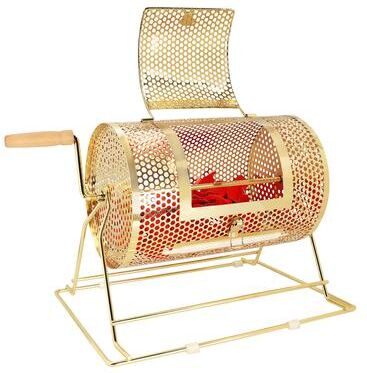
GSE Games & Sports Expert GSE™ Small Brass Raffle Ticket Drum - Holds 2,000 Tickets or 80 Ping Pong Raffle BallsThe GSE quality brass raffle drum made of heavy-duty steel with brass coating comes with a solid wood handle, a large trapdoor door, a rectangular steel bottom frame with a non-slip design keeping the raffle drum stable, and an updated toggle clamp...60,99 $*Shipping: 0,00 $Secure redirect to the provider
-
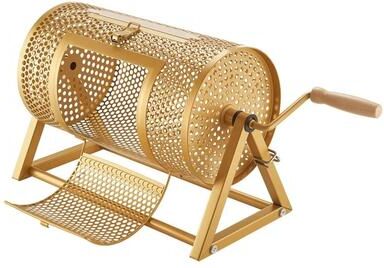
Tools, Home & Hobby Raffle Ticket Spinner Drum 2500 Capacity Lottery Drawing Cage For Events Raffle Ticket Spinner Drum 2500 Capacity Lottery Drawing Cage For EventsCreate unforgettable moments at every gathering with a reliable raffle ticket spinner designed to make drawings smooth, fair, and entertaining. This professional raffle drum holds up to 2,500 tickets or 100 ping pong balls, making it perfect for...97,97 $*Shipping: 0,00 $Secure redirect to the provider
-
Uplift Essentials Tabletop Dry Erase Prize Wheel Spinner Tabletop Dry Erase Prize Wheel SpinnerBring highenergy excitement, friendly competition, and interactive fun to any event with this dynamic prize wheel. Designed with a smoothspinning acrylic face divided into vibrant rainbow color slots, this dryerase game wheel lets you customize...58,97 $*Shipping: 0,00 $Secure redirect to the provider


-
What is DNA replication?
DNA replication is the process by which a cell makes an identical copy of its DNA. This process is essential for cell division and the transmission of genetic information from one generation to the next. It involves the unwinding of the DNA double helix, the synthesis of new complementary strands using the existing strands as templates, and the proofreading and correction of any errors. DNA replication ensures that each new cell receives a complete and accurate set of genetic instructions. **
-
What is RNA self-replication?
RNA self-replication is a process where RNA molecules are able to catalyze their own replication without the need for external enzymes. This ability is crucial for the early evolution of life on Earth, as it is believed to be a key step in the transition from prebiotic chemistry to the emergence of life. RNA self-replication involves the RNA molecule acting as both a template and an enzyme, allowing it to make copies of itself. This process is a fundamental aspect of the RNA world hypothesis, which suggests that RNA played a central role in the origin of life. **
-
How does DNA replication occur?
DNA replication occurs in a semi-conservative manner, where the two strands of the double helix are separated and each strand serves as a template for the synthesis of a new complementary strand. The enzyme helicase unwinds the double helix, creating two single strands. DNA polymerase then adds new nucleotides to each single strand, following the base-pairing rules (A with T, and C with G). This results in two identical double-stranded DNA molecules, each containing one original strand and one newly synthesized strand. **
-
Where does DNA replication occur?
DNA replication occurs in the nucleus of eukaryotic cells and in the cytoplasm of prokaryotic cells. In eukaryotic cells, DNA replication takes place during the S phase of the cell cycle, when the DNA is duplicated to ensure that each daughter cell receives a complete set of genetic information. The process involves the unwinding of the DNA double helix, the synthesis of new DNA strands using existing strands as templates, and the proofreading and correction of errors. Overall, DNA replication is a fundamental process that ensures the accurate transmission of genetic information from one generation to the next. **


What is a replication bubble?
A replication bubble is a region of DNA where the double helix has been unwound and separated to allow for DNA replication to occur. It is formed by the action of helicase enzymes that unwind the DNA strands, creating two single-stranded templates for the replication process. The replication bubble expands as the replication machinery moves along the DNA, synthesizing new strands of DNA. Replication bubbles are a key feature of DNA replication and allow for the efficient and accurate copying of genetic information. **
How does semiconservative DNA replication occur?
Semiconservative DNA replication occurs in the following way: the double-stranded DNA molecule unwinds and separates into two strands. Each separated strand serves as a template for the synthesis of a new complementary strand. Enzymes called DNA polymerases add nucleotides to the new strands based on the complementary base pairing rules (A with T, C with G). As a result, two identical DNA molecules are produced, each consisting of one original strand and one newly synthesized strand. This process ensures that genetic information is faithfully passed on to daughter cells during cell division. **
Top-Angebote
Products related to Replication:
-
Uplift Treasures Tabletop Prize Spin Wheel Interactive Giveaway And Party Game Accessory Tabletop Prize Spin Wheel Interactive Giveaway And Party Game AccessoryAdd instant excitement and interaction to any gathering with this fun and engaging Tabletop Prize Wheel designed for games, promotions, and celebrations. This compact spin wheel features an editable surface, allowing you to customize prizes,...93,97 $*Shipping: 0,00 $Secure redirect to the provider
-
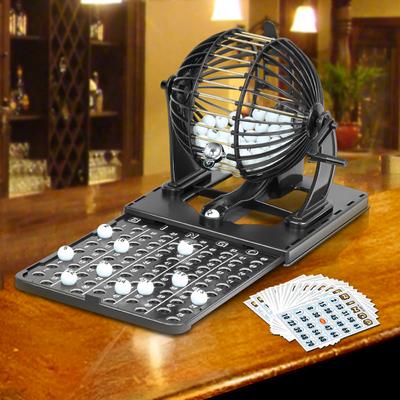
Youfap Market Lottery Bingo Game Cage, Sweepstakes Tabletop Board Game For Large Parties Lottery Bingo Game Cage, Sweepstakes Tabletop Board Game For Large PartiesEnjoy Endless Fun with the Bingo Lottery Machine Cage The Bingo Lottery Machine Cage is the ultimate solution for family gatherings and large party entertainment. Designed to bring joy and excitement, this tabletop board game is perfect for anyone...44,97 $*Shipping: 0,00 $Secure redirect to the provider
-
GSE Games & Sports Expert GSE™ Brass Raffle Ticket Dispenser for Single or Double Roll Raffle Tickets Lotteries - YellowThe GSE brass raffle ticket dispenser is made of brass-plated steel, including a removable metal wire bar, used for both single and double ticket rolls, lightweight and easily portable, simple operation, not easily deformed or broken, durable. the...21,09 $*Shipping: 0,00 $Secure redirect to the provider
-
GSE Games & Sports Expert GSE™ Small Brass Raffle Ticket Drum - Holds 2,000 Tickets or 80 Ping Pong Raffle BallsThe GSE quality brass raffle drum made of heavy-duty steel with brass coating comes with a solid wood handle, a large trapdoor door, a rectangular steel bottom frame with a non-slip design keeping the raffle drum stable, and an updated toggle clamp...60,99 $*Shipping: 0,00 $Secure redirect to the provider
-
What is the replication origin in DNA replication?
The replication origin is a specific sequence of DNA where the process of DNA replication begins. It is the site where the two strands of the DNA double helix are separated and the replication machinery is assembled. The replication origin is recognized by specific proteins that initiate the unwinding of the DNA and the synthesis of new DNA strands. Each DNA molecule has multiple replication origins to ensure that the entire genome is replicated efficiently. **
-
What is semiconservative replication?
Semiconservative replication is the process by which DNA is copied during cell division. In this process, the two strands of the DNA double helix separate, and each strand serves as a template for the synthesis of a new complementary strand. As a result, each new DNA molecule contains one original strand and one newly synthesized strand. This ensures that the genetic information is preserved and passed on to the next generation of cells. This process was first proposed by James Watson and Francis Crick in 1953. **
-
What is DNA replication?
DNA replication is the process by which a cell makes an identical copy of its DNA. This process is essential for cell division and the transmission of genetic information from one generation to the next. It involves the unwinding of the DNA double helix, the synthesis of new complementary strands using the existing strands as templates, and the proofreading and correction of any errors. DNA replication ensures that each new cell receives a complete and accurate set of genetic instructions. **
-
What is RNA self-replication?
RNA self-replication is a process where RNA molecules are able to catalyze their own replication without the need for external enzymes. This ability is crucial for the early evolution of life on Earth, as it is believed to be a key step in the transition from prebiotic chemistry to the emergence of life. RNA self-replication involves the RNA molecule acting as both a template and an enzyme, allowing it to make copies of itself. This process is a fundamental aspect of the RNA world hypothesis, which suggests that RNA played a central role in the origin of life. **
Similar search terms for Replication
-
Tools, Home & Hobby Raffle Ticket Spinner Drum 2500 Capacity Lottery Drawing Cage For Events Raffle Ticket Spinner Drum 2500 Capacity Lottery Drawing Cage For EventsCreate unforgettable moments at every gathering with a reliable raffle ticket spinner designed to make drawings smooth, fair, and entertaining. This professional raffle drum holds up to 2,500 tickets or 100 ping pong balls, making it perfect for...97,97 $*Shipping: 0,00 $Secure redirect to the provider
-
Uplift Essentials Tabletop Dry Erase Prize Wheel Spinner Tabletop Dry Erase Prize Wheel SpinnerBring highenergy excitement, friendly competition, and interactive fun to any event with this dynamic prize wheel. Designed with a smoothspinning acrylic face divided into vibrant rainbow color slots, this dryerase game wheel lets you customize...58,97 $*Shipping: 0,00 $Secure redirect to the provider
-
Tools, Home & Hobby Brass Plated Raffle Drum With Large Capacity Ticket Spinning Cage And Wooden Handle Brass Plated Raffle Drum With Large Capacity Ticket Spinning Cage And Wooden HandleMake every draw feel exciting fair and easy to follow. This raffle ticket spinning cage combines a visible open design with smooth manual rotation so participants can watch entries mix before each winner is selected. Built from heavyduty steel with...139,97 $*Shipping: 0,00 $Secure redirect to the provider
-
GSE Games & Sports Expert GSE™ Medium Brass Raffle Ticket Drum - Holds 5,000 Tickets or 200 Ping Pong Raffle BallsThe GSE quality brass raffle drum made of heavy-duty steel with brass coating comes with a solid wood handle, a large trapdoor door, a rectangular steel bottom frame with a non-slip design keeping the raffle drum stable, and an updated toggle clamp...77,21 $*Shipping: 0,00 $Secure redirect to the provider
-
How does DNA replication occur?
DNA replication occurs in a semi-conservative manner, where the two strands of the double helix are separated and each strand serves as a template for the synthesis of a new complementary strand. The enzyme helicase unwinds the double helix, creating two single strands. DNA polymerase then adds new nucleotides to each single strand, following the base-pairing rules (A with T, and C with G). This results in two identical double-stranded DNA molecules, each containing one original strand and one newly synthesized strand. **
-
Where does DNA replication occur?
DNA replication occurs in the nucleus of eukaryotic cells and in the cytoplasm of prokaryotic cells. In eukaryotic cells, DNA replication takes place during the S phase of the cell cycle, when the DNA is duplicated to ensure that each daughter cell receives a complete set of genetic information. The process involves the unwinding of the DNA double helix, the synthesis of new DNA strands using existing strands as templates, and the proofreading and correction of errors. Overall, DNA replication is a fundamental process that ensures the accurate transmission of genetic information from one generation to the next. **
-
What is a replication bubble?
A replication bubble is a region of DNA where the double helix has been unwound and separated to allow for DNA replication to occur. It is formed by the action of helicase enzymes that unwind the DNA strands, creating two single-stranded templates for the replication process. The replication bubble expands as the replication machinery moves along the DNA, synthesizing new strands of DNA. Replication bubbles are a key feature of DNA replication and allow for the efficient and accurate copying of genetic information. **
-
How does semiconservative DNA replication occur?
Semiconservative DNA replication occurs in the following way: the double-stranded DNA molecule unwinds and separates into two strands. Each separated strand serves as a template for the synthesis of a new complementary strand. Enzymes called DNA polymerases add nucleotides to the new strands based on the complementary base pairing rules (A with T, C with G). As a result, two identical DNA molecules are produced, each consisting of one original strand and one newly synthesized strand. This process ensures that genetic information is faithfully passed on to daughter cells during cell division. **
* All prices are inclusive of VAT and, if applicable, plus shipping costs. The offer information is based on the details provided by the respective shop and is updated through automated processes. Real-time updates do not occur, so deviations can occur in individual cases. ** Note: Parts of this content were created by AI.