Buy gewinnspiel.online ?
We are moving the project
gewinnspiel.online .
Are you interested in purchasing the domain
gewinnspiel.online ?
domain@kv-gmbh.de · 0541-91531010
Buy gewinnspiel.online ?
Why do you perform chest compressions?
Chest compressions are performed during cardiopulmonary resuscitation (CPR) to manually pump blood through the body when the heart is not able to do so effectively. This helps to maintain blood flow to vital organs, such as the brain, until more advanced medical help can arrive. The goal of chest compressions is to keep the person alive until their heart can be restarted or until emergency medical services can take over. **
What are air compressions and air dilutions?
Air compressions refer to the process of increasing the pressure of air by reducing its volume. This is typically achieved using a mechanical device such as a compressor. Air dilution, on the other hand, refers to the process of reducing the concentration of a substance in the air by mixing it with a larger volume of clean air. This can be done to reduce the concentration of pollutants or to lower the concentration of a specific gas in a confined space. Both air compressions and air dilutions are important processes in various industrial, commercial, and environmental applications. **

Similar search terms for Compressions
Top-Angebote
Products related to Compressions:
-
GSE Games & Sports Expert GSE™ Brass Raffle Ticket Dispenser for Single or Double Roll Raffle Tickets Lotteries - YellowThe GSE brass raffle ticket dispenser is made of brass-plated steel, including a removable metal wire bar, used for both single and double ticket rolls, lightweight and easily portable, simple operation, not easily deformed or broken, durable. the...21,09 $*Shipping: 0,00 $Secure redirect to the provider
-
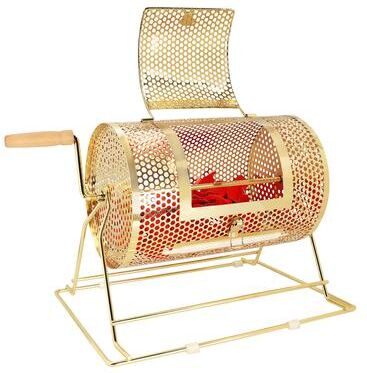
GSE Games & Sports Expert GSE™ Small Brass Raffle Ticket Drum - Holds 2,000 Tickets or 80 Ping Pong Raffle BallsThe GSE quality brass raffle drum made of heavy-duty steel with brass coating comes with a solid wood handle, a large trapdoor door, a rectangular steel bottom frame with a non-slip design keeping the raffle drum stable, and an updated toggle clamp...60,99 $*Shipping: 0,00 $Secure redirect to the provider
-
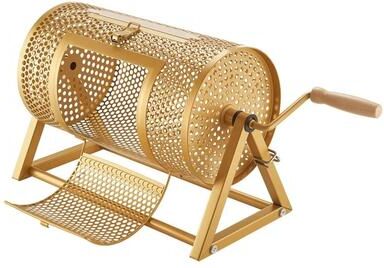
Tools, Home & Hobby Raffle Ticket Spinner Drum 2500 Capacity Lottery Drawing Cage For Events Raffle Ticket Spinner Drum 2500 Capacity Lottery Drawing Cage For EventsCreate unforgettable moments at every gathering with a reliable raffle ticket spinner designed to make drawings smooth, fair, and entertaining. This professional raffle drum holds up to 2,500 tickets or 100 ping pong balls, making it perfect for...97,97 $*Shipping: 0,00 $Secure redirect to the provider
-
Uplift Essentials Tabletop Dry Erase Prize Wheel Spinner Tabletop Dry Erase Prize Wheel SpinnerBring highenergy excitement, friendly competition, and interactive fun to any event with this dynamic prize wheel. Designed with a smoothspinning acrylic face divided into vibrant rainbow color slots, this dryerase game wheel lets you customize...58,97 $*Shipping: 0,00 $Secure redirect to the provider


-
How do you perform chest compressions on a woman?
When performing chest compressions on a woman, the technique is the same as for a man. Place the heel of one hand on the center of the woman's chest, between the nipples. Place the other hand on top of the first hand and interlock the fingers. Keep your arms straight and position your shoulders directly above your hands. Press down firmly and quickly, allowing the chest to recoil completely between compressions. Remember to perform compressions at a rate of 100-120 per minute. **
-
How often do you perform chest compressions during resuscitation?
During resuscitation, chest compressions are typically performed at a rate of 100 to 120 compressions per minute. The compressions are performed continuously until emergency medical services arrive or until the person shows signs of life. **
-
What happens if you perform chest compressions without reason?
Performing chest compressions without reason can cause harm to the person receiving them. Chest compressions can cause broken ribs, damage to internal organs, and other injuries if not done properly or if not needed. It is important to only perform chest compressions when the person is in cardiac arrest and not breathing, as part of CPR. Otherwise, it is crucial to assess the situation and provide the appropriate care based on the person's condition. **
-
How to perform chest compressions on individuals with pectus excavatum?
When performing chest compressions on individuals with pectus excavatum, it is important to place the heel of your hand slightly higher on the sternum to ensure effective compression. This adjustment helps to avoid the deeper depression caused by the condition. It is also recommended to use the standard compression depth of at least 2 inches for adults and to maintain the proper rate of compressions at 100-120 per minute. Additionally, be mindful of any discomfort the individual may experience during the process and adjust your technique as needed. **


How to perform chest compressions on individuals with funnel chest?
When performing chest compressions on individuals with funnel chest, it is important to adjust the hand placement slightly. Instead of placing the heel of the hand in the center of the chest, it should be positioned slightly to the side of the sternum to avoid putting direct pressure on the depressed area. The compressions should still be performed at a rate of 100-120 per minute, with the chest being compressed at least 2 inches deep. It is crucial to ensure that the compressions are effective in order to maintain blood flow and circulation to vital organs. **
How do you perform chest compressions on individuals with pectus excavatum?
When performing chest compressions on individuals with pectus excavatum, it is important to place the heel of your hand slightly higher on the sternum to ensure effective compression. This adjustment helps to avoid putting excessive pressure on the chest wall and minimizes the risk of causing injury. It is also recommended to use the standard compression depth of at least 2 inches for adults and to maintain the proper rate of compressions, which is around 100-120 compressions per minute. Additionally, it is crucial to monitor the effectiveness of the compressions by checking for adequate chest rise and fall during CPR. **
Top-Angebote
Products related to Compressions:
-
Uplift Treasures Tabletop Prize Spin Wheel Interactive Giveaway And Party Game Accessory Tabletop Prize Spin Wheel Interactive Giveaway And Party Game AccessoryAdd instant excitement and interaction to any gathering with this fun and engaging Tabletop Prize Wheel designed for games, promotions, and celebrations. This compact spin wheel features an editable surface, allowing you to customize prizes,...93,97 $*Shipping: 0,00 $Secure redirect to the provider
-
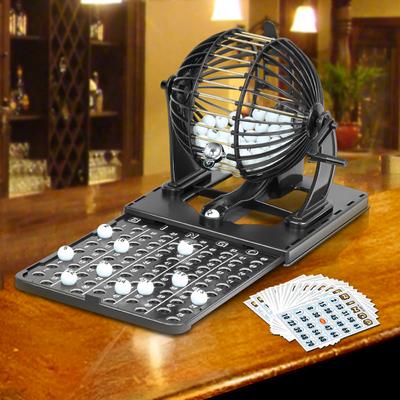
Youfap Market Lottery Bingo Game Cage, Sweepstakes Tabletop Board Game For Large Parties Lottery Bingo Game Cage, Sweepstakes Tabletop Board Game For Large PartiesEnjoy Endless Fun with the Bingo Lottery Machine Cage The Bingo Lottery Machine Cage is the ultimate solution for family gatherings and large party entertainment. Designed to bring joy and excitement, this tabletop board game is perfect for anyone...44,97 $*Shipping: 0,00 $Secure redirect to the provider
-
GSE Games & Sports Expert GSE™ Brass Raffle Ticket Dispenser for Single or Double Roll Raffle Tickets Lotteries - YellowThe GSE brass raffle ticket dispenser is made of brass-plated steel, including a removable metal wire bar, used for both single and double ticket rolls, lightweight and easily portable, simple operation, not easily deformed or broken, durable. the...21,09 $*Shipping: 0,00 $Secure redirect to the provider
-
GSE Games & Sports Expert GSE™ Small Brass Raffle Ticket Drum - Holds 2,000 Tickets or 80 Ping Pong Raffle BallsThe GSE quality brass raffle drum made of heavy-duty steel with brass coating comes with a solid wood handle, a large trapdoor door, a rectangular steel bottom frame with a non-slip design keeping the raffle drum stable, and an updated toggle clamp...60,99 $*Shipping: 0,00 $Secure redirect to the provider
-
Why do you perform chest compressions?
Chest compressions are performed during cardiopulmonary resuscitation (CPR) to manually pump blood through the body when the heart is not able to do so effectively. This helps to maintain blood flow to vital organs, such as the brain, until more advanced medical help can arrive. The goal of chest compressions is to keep the person alive until their heart can be restarted or until emergency medical services can take over. **
-
What are air compressions and air dilutions?
Air compressions refer to the process of increasing the pressure of air by reducing its volume. This is typically achieved using a mechanical device such as a compressor. Air dilution, on the other hand, refers to the process of reducing the concentration of a substance in the air by mixing it with a larger volume of clean air. This can be done to reduce the concentration of pollutants or to lower the concentration of a specific gas in a confined space. Both air compressions and air dilutions are important processes in various industrial, commercial, and environmental applications. **
-
How do you perform chest compressions on a woman?
When performing chest compressions on a woman, the technique is the same as for a man. Place the heel of one hand on the center of the woman's chest, between the nipples. Place the other hand on top of the first hand and interlock the fingers. Keep your arms straight and position your shoulders directly above your hands. Press down firmly and quickly, allowing the chest to recoil completely between compressions. Remember to perform compressions at a rate of 100-120 per minute. **
-
How often do you perform chest compressions during resuscitation?
During resuscitation, chest compressions are typically performed at a rate of 100 to 120 compressions per minute. The compressions are performed continuously until emergency medical services arrive or until the person shows signs of life. **
Similar search terms for Compressions
-
Tools, Home & Hobby Raffle Ticket Spinner Drum 2500 Capacity Lottery Drawing Cage For Events Raffle Ticket Spinner Drum 2500 Capacity Lottery Drawing Cage For EventsCreate unforgettable moments at every gathering with a reliable raffle ticket spinner designed to make drawings smooth, fair, and entertaining. This professional raffle drum holds up to 2,500 tickets or 100 ping pong balls, making it perfect for...97,97 $*Shipping: 0,00 $Secure redirect to the provider
-
Uplift Essentials Tabletop Dry Erase Prize Wheel Spinner Tabletop Dry Erase Prize Wheel SpinnerBring highenergy excitement, friendly competition, and interactive fun to any event with this dynamic prize wheel. Designed with a smoothspinning acrylic face divided into vibrant rainbow color slots, this dryerase game wheel lets you customize...58,97 $*Shipping: 0,00 $Secure redirect to the provider
-
Tools, Home & Hobby Brass Plated Raffle Drum With Large Capacity Ticket Spinning Cage And Wooden Handle Brass Plated Raffle Drum With Large Capacity Ticket Spinning Cage And Wooden HandleMake every draw feel exciting fair and easy to follow. This raffle ticket spinning cage combines a visible open design with smooth manual rotation so participants can watch entries mix before each winner is selected. Built from heavyduty steel with...139,97 $*Shipping: 0,00 $Secure redirect to the provider
-
GSE Games & Sports Expert GSE™ Medium Brass Raffle Ticket Drum - Holds 5,000 Tickets or 200 Ping Pong Raffle BallsThe GSE quality brass raffle drum made of heavy-duty steel with brass coating comes with a solid wood handle, a large trapdoor door, a rectangular steel bottom frame with a non-slip design keeping the raffle drum stable, and an updated toggle clamp...77,21 $*Shipping: 0,00 $Secure redirect to the provider
-
What happens if you perform chest compressions without reason?
Performing chest compressions without reason can cause harm to the person receiving them. Chest compressions can cause broken ribs, damage to internal organs, and other injuries if not done properly or if not needed. It is important to only perform chest compressions when the person is in cardiac arrest and not breathing, as part of CPR. Otherwise, it is crucial to assess the situation and provide the appropriate care based on the person's condition. **
-
How to perform chest compressions on individuals with pectus excavatum?
When performing chest compressions on individuals with pectus excavatum, it is important to place the heel of your hand slightly higher on the sternum to ensure effective compression. This adjustment helps to avoid the deeper depression caused by the condition. It is also recommended to use the standard compression depth of at least 2 inches for adults and to maintain the proper rate of compressions at 100-120 per minute. Additionally, be mindful of any discomfort the individual may experience during the process and adjust your technique as needed. **
-
How to perform chest compressions on individuals with funnel chest?
When performing chest compressions on individuals with funnel chest, it is important to adjust the hand placement slightly. Instead of placing the heel of the hand in the center of the chest, it should be positioned slightly to the side of the sternum to avoid putting direct pressure on the depressed area. The compressions should still be performed at a rate of 100-120 per minute, with the chest being compressed at least 2 inches deep. It is crucial to ensure that the compressions are effective in order to maintain blood flow and circulation to vital organs. **
-
How do you perform chest compressions on individuals with pectus excavatum?
When performing chest compressions on individuals with pectus excavatum, it is important to place the heel of your hand slightly higher on the sternum to ensure effective compression. This adjustment helps to avoid putting excessive pressure on the chest wall and minimizes the risk of causing injury. It is also recommended to use the standard compression depth of at least 2 inches for adults and to maintain the proper rate of compressions, which is around 100-120 compressions per minute. Additionally, it is crucial to monitor the effectiveness of the compressions by checking for adequate chest rise and fall during CPR. **
* All prices are inclusive of VAT and, if applicable, plus shipping costs. The offer information is based on the details provided by the respective shop and is updated through automated processes. Real-time updates do not occur, so deviations can occur in individual cases. ** Note: Parts of this content were created by AI.